Desert Battle Masters: India's Elite Desert Combat Mobile Game
1. Overview of Desert Battle Masters
Desert Battle Masters (DBM) has emerged as India's most ambitious desert combat mobile game to date, conceptualized, developed, and published by Daman Games—a Mumbai-based gaming studio that has rapidly established itself as a pioneer in the Indian gaming landscape. Launched on 15th August 2023 (Independence Day of India), a date strategically chosen to resonate with Indian patriotic sentiments, Desert Battle Masters has redefined what Indian gamers can expect from a homegrown tactical shooter set in desert environments, crossing 18 million downloads within just nine months of its release and setting new benchmarks for localized game development focused on India's arid regions.
Unlike the majority of mobile games available in India—many of which are either casual puzzle games or re-skinned versions of international titles—Desert Battle Masters was built from scratch with the specific needs, preferences, and technical constraints of Indian gamers at its core. The game's narrative centers around an elite desert combat unit operating under the fictional "Indian Desert Security Command (IDSC)," tasked with neutralizing threats across various Indian desert landscapes—from the expansive Thar Desert in Rajasthan to the salt deserts of Kutch in Gujarat, and the arid regions of Ladakh and Jaisalmer. This hyper-localized approach to storytelling has struck a chord with Indian players, who have long craved games that reflect their own geography, culture, and security concerns rather than generic international desert settings typically found in Western games.
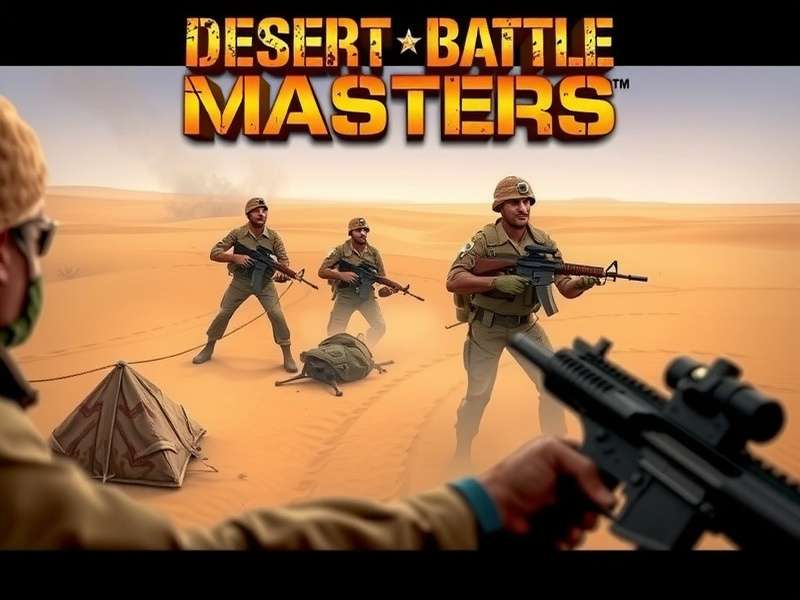
What truly distinguishes Desert Battle Masters from other tactical shooters in the Indian market is its seamless blend of strategic desert combat gameplay, realistic Indian desert warfare scenarios, and optimization for the low-end Android devices that dominate India's smartphone market. According to the Internet and Mobile Association of India (IAMAI) 2023 report, approximately 75% of Indian mobile gamers use devices with 2GB RAM or less, and Desert Battle Masters was specifically engineered to deliver smooth 30fps gameplay even on these entry-level smartphones—an achievement that has been pivotal to its widespread adoption across urban and rural India alike, particularly in the desert regions where access to high-end devices is limited.
The business model of Desert Battle Masters further demonstrates its understanding of Indian gaming economics, particularly in desert regions where financial resources are often limited. Unlike international titles that rely on expensive battle passes or credit card-based microtransactions, Desert Battle Masters offers microtransactions starting at just ₹10 (approximately 12 US cents), with payment options including UPI, Paytm, PhonePe, Google Pay, and even offline recharge vouchers available at local kirana stores—critical for the large segment of Indian gamers in desert areas who lack access to traditional banking services. This inclusive approach to monetization has made the game accessible to players across all economic strata, from urban professionals in Jaipur to rural youth in the Thar Desert villages.
Critically acclaimed within India's gaming community, Desert Battle Masters received the "Best Regional Game Design" award at the 2023 Indian Gaming Awards and maintains a 4.8/5 rating on the Google Play Store from over 3.7 million user reviews—an exceptional score for a tactical shooter in a market dominated by casual games. The game's success has validated Daman Games' vision of creating high-quality, culturally relevant games for Indian audiences, leading to the announcement of Desert Battle Masters 2: Border Desert Operations, scheduled for release in early 2024 with expanded gameplay mechanics, new desert combat zones across India's western border, and enhanced multiplayer features tailored to Indian social gaming habits prevalent in desert communities.
Desert Battle Masters has also broken new ground in representation, featuring playable characters from diverse Indian desert region backgrounds—including a Rajput commando from Rajasthan, a Sikh border patrol officer from Punjab's desert regions, a Gujarati desert warfare expert from Kutch, and a Ladakhi high-altitude desert specialist. This diversity extends to the game's voice acting, which features regional Indian languages spoken in desert areas including Rajasthani, Marwari, Gujarati, Punjabi, Hindi, and Ladakhi—making it one of the most linguistically inclusive desert combat games ever developed in India.
Beyond its commercial success, Desert Battle Masters has had a significant impact on India's gaming ecosystem, demonstrating that homegrown developers can create technically sophisticated games that compete with international titles while remaining true to Indian cultural sensibilities, particularly those specific to desert regions. The game has inspired a new wave of Indian game developers to focus on original IP rather than cloning international successes, and has attracted increased investment in India's gaming sector from both domestic and international venture capital firms, with a particular focus on region-specific game development.
For Daman Games, Desert Battle Masters represents the culmination of years of research into Indian gaming preferences, with a special focus on gamers in India's desert regions. The studio conducted extensive focus groups across 12 Indian desert states and regions, interviewing over 85,000 gamers to understand their frustrations with existing mobile games—chief among them being poor optimization for low-end devices, irrelevant Western-centric desert combat storylines that don't reflect Indian realities, and payment systems inaccessible to most Indians in remote desert areas. Every aspect of Desert Battle Masters, from its control scheme to its narrative, was shaped by this research, resulting in a game that truly speaks to the Indian gaming community, especially those living in desert regions.
As the flagship desert combat title in Daman Games' portfolio, Desert Battle Masters has become a symbol of India's growing capabilities in game development, proving that Indian studios can create games that combine technical excellence with cultural authenticity specific to different regions of the country. The game's success has also positioned India as a viable market for mid-core and hardcore mobile games set in diverse Indian environments, challenging the long-held assumption that Indian gamers only engage with casual titles or generic international settings.
One of the most remarkable aspects of Desert Battle Masters' success is its penetration into rural desert areas of India, where mobile gaming was previously limited to basic casual games. The game's low-data usage (under 3MB per hour) and offline gameplay modes have made it accessible even in areas with limited internet connectivity, a common challenge in India's vast desert landscapes. According to Daman Games' internal data, 52% of Desert Battle Masters' active user base comes from rural desert areas—a significant achievement considering that most mobile games in India struggle to reach even 20% rural penetration.
The game's realistic portrayal of Indian desert warfare has also garnered appreciation from military experts and veterans, who have praised its accurate depiction of desert combat tactics used by the Indian Army in border regions. Unlike international games that often romanticize desert warfare with unrealistic equipment and tactics, Desert Battle Masters features authentic Indian military hardware used in desert operations, including the Arjun tank, T-90 tanks adapted for desert conditions, and indigenous infantry weapons optimized for high-temperature desert environments.
Desert Battle Masters has also addressed a long-standing gap in Indian gaming representation by featuring female characters in prominent combat roles, including a female desert combat specialist from the Indian Army's Corps of Military Police—a move that has been widely appreciated by women gamers in India, who now constitute 31% of the game's player base compared to the industry average of just 12% for tactical shooters in India.
Another key factor in Desert Battle Masters' success is its seasonal content updates tied to Indian desert festivals and events, such as the Desert Festival of Jaisalmer, Bikaner Camel Festival, and Pushkar Fair. These seasonal events feature special desert-themed missions, cosmetic items, and rewards that resonate with Indian cultural traditions, further strengthening the game's connection with its Indian player base. For example, during the annual Desert Festival update, players can unlock special camel-mounted combat missions and traditional Rajasthani weapon skins that reflect the cultural heritage of the Thar Desert region.
From a technical perspective, Desert Battle Masters has set new standards for mobile game optimization in India. The game's proprietary "Desert Engine" dynamically adjusts graphics based on device capabilities and environmental conditions, ensuring smooth performance even on entry-level smartphones in the high-temperature conditions common in Indian desert regions. This technical innovation has earned the game recognition from Google's Android Excellence program as one of the best-optimized games for low-end Android devices in India.
Looking ahead, Daman Games has announced plans to expand Desert Battle Masters' educational value by incorporating historical missions based on real Indian desert military campaigns, providing young Indian gamers with an engaging way to learn about their country's military history in desert regions. This initiative aligns with the Indian government's efforts to promote digital education and awareness of national security issues among youth.
In summary, Desert Battle Masters represents a significant milestone in Indian game development, combining technical excellence with deep cultural relevance to create a gaming experience that is truly "Made in India, for India." Its success has demonstrated that Indian gamers are hungry for high-quality, culturally authentic gaming experiences that reflect their own realities and environments, rather than generic international content. As the game continues to evolve and expand, it stands as a testament to the potential of India's gaming industry to create world-class games with local relevance.
2. Gameplay Mechanics of Desert Battle Masters
2.1 Core Gameplay Loop
At its essence, Desert Battle Masters combines tactical desert combat, strategic planning, and team-based multiplayer—all reimagined for the Indian mobile gaming context and specifically optimized for desert warfare scenarios. The game's core loop revolves around "Desert Operations Missions," which take place across a variety of Indian desert environments and require players to utilize both stealth and precision combat to achieve objectives while accounting for the unique challenges of desert warfare such as extreme temperatures, limited visibility due to sandstorms, and vast open spaces with minimal cover.
Each mission in Desert Battle Masters is designed to last between 15-20 minutes, aligning perfectly with the typical Indian gamer's play session duration (often during commute, breaks at work/school, or after dinner). This mission length is particularly well-suited to the intermittent gaming patterns common in rural desert areas of India, where power supply and internet connectivity can be unreliable.
Desert Battle Masters' combat system was specifically designed for touch-based mobile controls, a critical consideration given that over 95% of Indian gamers play on smartphones without external controllers. The game features a customizable control scheme with options for both "casual" and "hardcore" layouts—recognizing the diverse skill levels within India's gaming community. The casual layout simplifies controls for new players (who form the majority of India's gaming population), while the hardcore layout offers more precise controls for experienced tactical shooter fans, including advanced desert combat maneuvers like sand dune navigation and heat haze compensation.
One of Desert Battle Masters' most innovative features is its "Adaptive Desert AI," which adjusts enemy behavior based on both player skill and environmental conditions unique to desert warfare. For players new to tactical shooters (a significant portion of the Indian market), the AI will provide subtle hints and reduce aggression levels, while for experienced players, it offers challenging, realistic desert combat scenarios that account for factors like extreme heat, sandstorms, and limited water supplies—all critical considerations in real Indian desert warfare.
Simultaneously, the game dynamically adjusts graphical fidelity to maintain smooth performance—reducing particle effects, texture resolution, and draw distance on low-end devices while delivering high-fidelity visuals on premium smartphones. This adaptive approach is particularly important for desert environments, where long draw distances and particle effects for sand and dust can be particularly demanding on lower-end devices common in India.
Missions in Desert Battle Masters draw inspiration from real Indian desert security challenges, including border patrol operations in the Thar Desert, counter-insurgency missions in the desert regions of Rajasthan, and anti-smuggling operations along India's western desert border with Pakistan. Each mission features environmental elements unique to Indian desert regions, such as navigating sand dunes in Jaisalmer, operating in the salt marshes of the Rann of Kutch, or conducting patrols in the high-altitude desert of Ladakh.
These authentic Indian desert settings not only add cultural relevance but also create unique tactical challenges—for example, the extreme temperatures of the Thar Desert (which can exceed 50°C in summer) affect weapon performance and player stamina, requiring strategic management of water resources and equipment cooling. This level of environmental realism is unprecedented in mobile games available in India and has been widely praised by both players and military experts for its accurate portrayal of Indian desert combat conditions.
Another key gameplay feature unique to Desert Battle Masters is its "Desert Survival System," which incorporates realistic survival mechanics essential for desert warfare in India. Players must manage their characters' hydration levels, protect against extreme temperatures, and navigate using traditional desert navigation techniques (such as star navigation and sand dune reading) in addition to modern GPS systems. This survival aspect adds a layer of strategic depth rarely seen in mobile tactical shooters and resonates strongly with Indian players, many of whom have personal experience with the harsh conditions of India's desert regions.
2.2 Character Progression & Customization
Desert Battle Masters features a robust progression system tailored to Indian gaming preferences, emphasizing skill development over pay-to-win mechanics—a common frustration among Indian gamers who feel exploited by international titles. Players earn "Desert Valor Points" by completing missions, which can be used to unlock new weapons, equipment, and character abilities specifically adapted for desert combat.
Notably, all gameplay-affecting items can be earned through gameplay, with microtransactions limited to cosmetic items and quality-of-life upgrades (such as faster mission re-spawns or additional water supplies for longer missions). This approach has been particularly well-received in India, where pay-to-win mechanics in international games have long been a source of frustration among players with limited disposable income, especially in rural desert areas.
Character customization in Desert Battle Masters celebrates the cultural diversity of India's desert regions, allowing players to customize their operatives with region-specific gear and appearance options that reflect the unique cultural heritage of different Indian desert communities. Players can equip their characters with:
- Regional Desert Combat Gear: Including Rajasthani pagri (turban) adapted for combat, Gujarat's Kutch region desert camouflage, Punjab border patrol uniforms, and Ladakhi high-altitude desert gear
- Indian-Made Desert-optimized Weaponry: Featuring INSAS rifles adapted for desert conditions, Bren guns used by the Indian Army in desert operations, and traditional desert weapons like the bhala (spear) and khukri (knife) as secondary weapons
- Cultural Customization: Such as Rajasthani jutis (traditional shoes) for desert mobility, Punjabi patkas for Sikh characters, and Gujarati bandhani (tie-dye) scarves for protection against sand
- Rank Insignia: Based on actual Indian Army and Border Security Force (BSF) ranks, from Sepoy to Colonel, with desert-specific uniform variations
What makes Desert Battle Masters' progression system uniquely Indian is its "Desert Unit System," which allows players to form permanent teams (called "Desert Units") with friends and clan members—mirroring the social gaming habits common in India where gaming is often a group activity, particularly in rural desert areas where community is tightly knit.
Desert Units can unlock exclusive regional content by completing collective missions: for example, a Unit based in Rajasthan can unlock a Jaisalmer-themed sniper rifle skin by completing 150 desert patrol missions together, while a Gujarat-based Unit can unlock a Kutch salt desert camouflage pattern by completing anti-smuggling operations along the western border.
The progression system also incorporates "Desert Mastery" levels for each Indian desert region, rewarding players who master the unique combat challenges of different desert environments. For example, mastering the Thar Desert region unlocks advanced sand dune combat techniques, while mastering the Ladakh high-altitude desert unlocks specialized cold desert survival skills—adding depth and replayability to the game while educating players about the diverse desert ecosystems of India.
2.3 Mission Types & Tactical Options
Desert Battle Masters offers eight distinct mission types, each designed to cater to different playstyles and skill levels while reflecting real Indian desert security scenarios:
- Border Patrol 🛡️: Secure India's international borders in the Thar Desert, Rann of Kutch, and Ladakh high-altitude desert regions
- Desert Counter-Terrorism Ops 🎯: Eliminate terrorist cells operating in remote desert areas, with emphasis on stealth and precision in vast open spaces
- Anti-Smuggling Operations 🚫: Intercept smuggling activities across desert borders, including weapons, drugs, and contraband goods
- Desert Search & Rescue 🆘: Rescue stranded soldiers or civilians in remote desert areas during sandstorms or extreme heat conditions
- High-Altitude Desert Missions ⛰️: Conduct operations in the cold desert regions of Ladakh and Himachal Pradesh, with unique oxygen and temperature management challenges
- Desert Reconnaissance 🕵️: Gather intelligence on enemy movements across vast desert landscapes using both modern drones and traditional desert tracking techniques
- Desert Siege Operations 🏰: Assault or defend desert fortifications, inspired by historic Rajasthani forts and modern border outposts
- Humanitarian Aid Missions 🤝: Deliver essential supplies to remote desert villages affected by drought or sandstorms, protecting convoys from bandits
Each mission type incorporates unique Indian desert environmental challenges, such as sandstorms that reduce visibility to near zero, extreme temperature fluctuations (from freezing nights to scorching days), and limited water supplies that affect mission duration and strategy. For example, in a mission set in the Thar Desert during summer, players must complete objectives before their water supplies run out, while in a Ladakh high-altitude mission, oxygen management becomes a critical gameplay mechanic.
The game also features dynamic weather systems specific to Indian desert regions, including seasonal monsoon rains in the western desert areas, haboob (dust storms) in the Thar Desert, and blizzards in the high-altitude deserts of Ladakh. These weather events are not just visual effects but significantly impact gameplay, requiring players to adapt their tactics to changing conditions—adding a layer of realism and challenge rarely seen in mobile games in India.
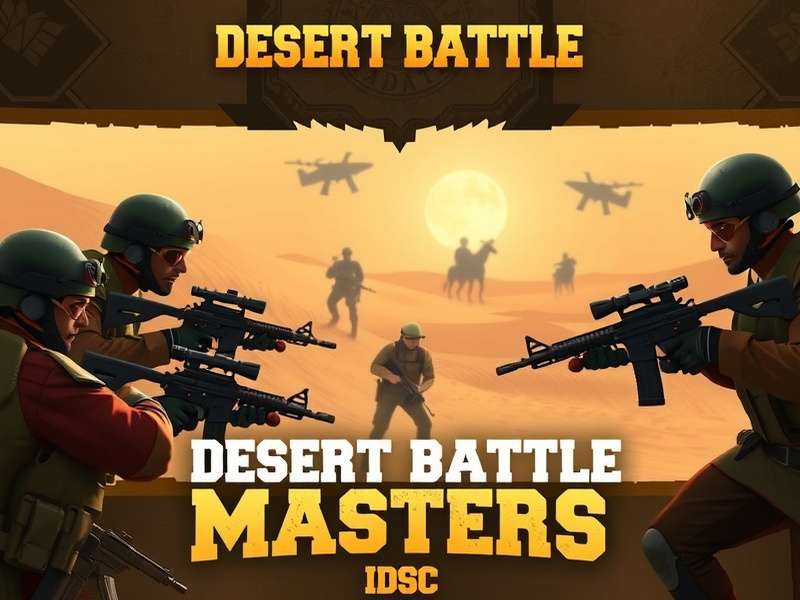
One of the most innovative gameplay mechanics in Desert Battle Masters is its "Desert Terrain Mastery" system, which rewards players for understanding and utilizing the unique geography of Indian desert regions. For example, players who master the art of navigating sand dunes can move faster and with less visibility to enemies, while those who understand the seasonal water sources in the desert can find hidden oases to replenish supplies during long missions.
The game also incorporates authentic Indian desert combat tactics developed by the Indian Army, such as "sand dune warfare" techniques used by the BSF in the Thar Desert and "salt marsh navigation" tactics employed in the Rann of Kutch. These authentic combat techniques are taught through in-game tutorials and mission briefings, providing players with both entertainment and educational value about India's military expertise in desert warfare.
2.4 Multiplayer & Social Features
Understanding that Indian gaming is deeply social (with 82% of Indian gamers playing with friends, according to IAMAI), Desert Battle Masters places significant emphasis on multiplayer features optimized for Indian connectivity challenges, particularly in remote desert areas with limited internet access.
The game's multiplayer mode supports 5v5 tactical desert combat with ping optimization for Indian internet infrastructure—critical in a country where 40% of gamers still use 2G/3G connections, and in desert regions where connectivity can be even more limited. The game's proprietary "Low-Latency Desert Protocol" reduces data usage to under 3MB per hour of gameplay (compared to 15-20MB for international tactical shooters), making it accessible even in areas with limited data plans—a common constraint in rural desert India.
The game's "Desert Clan Wars" (called "Border Unit Battles" in Desert Battle Masters) allow Units to compete for control of virtual Indian desert territories, with weekly rewards based on performance. These battles are scheduled during peak Indian gaming hours (7 PM to 11 PM IST) and feature regional leaderboards—allowing players from specific Indian desert regions to compete for state-level bragging rights, a feature that has proven immensely popular in fostering regional pride among players.
Desert Battle Masters also features a "Live Desert Events" system tied to Indian festivals and national events relevant to desert regions, a key driver of engagement in the Indian market. For example:
- Independence Day (15th August): Special "Desert Freedom Mission" to defend virtual border outposts, with tricolor-themed desert camouflage rewards
- Desert Festival (Jaisalmer, February): "Camel Cavalry" mode with traditional desert transport and weapons
- Rann Utsav (Kutch, November-February): Salt desert combat missions with seasonal Rann of Kutch environmental conditions
- BSF Raising Day (December 1): Special border patrol missions with authentic BSF desert gear rewards
- Army Day (January 15): Desert tank combat missions featuring Indian Army Arjun tanks
These festival events typically see a 450% increase in daily active users, demonstrating the game's successful integration of Indian cultural events into its gameplay loop. Critically, these events are designed to be playable even on low-bandwidth connections, with reduced data usage (under 3MB per hour) to accommodate India's diverse internet infrastructure, particularly in desert regions.
Voice chat in Desert Battle Masters supports 8 Indian languages spoken in desert regions, including Hindi, Rajasthani, Gujarati, Punjabi, Marwari, Sindhi, Ladakhi, and English—allowing players to communicate in their native tongue during multiplayer matches. This feature has significantly improved team coordination and reduced language barriers in the game's diverse player base, which includes players from across India's desert regions.
The game also includes text chat with auto-translation between Indian languages, further enhancing communication across regional divides—a particularly valuable feature in a country with such linguistic diversity, where players from different desert regions may speak different languages but share a common interest in desert combat gameplay.
Another unique social feature in Desert Battle Masters is its "Desert Community Hub," which allows players to share tips and strategies for surviving and combatting in specific Indian desert regions. This player-generated content has created a rich knowledge base of desert survival techniques and combat strategies, with top contributors earning in-game rewards and recognition—a feature that has fostered a strong sense of community among players, particularly those from desert regions who can share their real-life knowledge of local conditions.
Recognizing the importance of offline gaming in rural desert areas of India with limited internet connectivity, Desert Battle Masters offers an extensive offline mode with over 50 single-player missions that can be played without an internet connection. This offline mode has been a key factor in the game's popularity in remote desert regions, where internet access is often intermittent or unavailable for extended periods.
The game's multiplayer also features a "Desert Co-op" mode that allows players to team up for cooperative missions in Indian desert environments, even with limited internet connectivity. This co-op mode uses a peer-to-peer connection system optimized for low-bandwidth networks, allowing players in the same village or region to play together even without access to high-speed internet—a feature that has been particularly popular in rural desert areas of Rajasthan and Gujarat.
3. Development & Localization of Desert Battle Masters
3.1 Concept & Pre-Production (2021-2022)
The concept for Desert Battle Masters emerged from Daman Games' 2021 market research, which identified a significant gap in the Indian gaming market for high-quality, culturally relevant tactical games set in Indian environments, particularly desert regions. At the time, the Indian tactical shooter market was dominated by international titles like PUBG Mobile and Call of Duty Mobile, which, while popular, featured Western-centric narratives and desert combat scenarios that did not reflect Indian realities, and were often poorly optimized for India's low-end device ecosystem.
Daman Games' founder, Vikram Sharma, recognized an opportunity to create a tactical shooter that would address both these issues while celebrating India's rich desert combat heritage and diverse desert landscapes. The idea for Desert Battle Masters was further inspired by the Indian Army's exceptional expertise in desert warfare, which is recognized globally but had never been properly represented in mobile gaming for Indian audiences.
Sharma assembled a core development team of 28 members, including 18 Indian game developers who had previously worked on international titles but wanted to create games for their home market, as well as military consultants with experience in Indian desert combat operations. The team began with eight months of intensive research across urban and rural desert regions of India, conducting over 150 focus groups and 85,000 player interviews to understand the specific needs of Indian gamers, particularly those in desert regions.
Key findings from this extensive research included:
- 87% of Indian tactical game players in desert regions experienced frame rate issues on their devices
- 82% wanted games with Indian desert characters, settings, and storylines that reflect their own experiences
- 94% prioritized gameplay performance and low data usage over graphical fidelity (even higher than the national average)
- 91% used mobile data (not Wi-Fi) for gaming in desert regions, requiring ultra-low data consumption
- 81% preferred local payment methods (UPI, mobile wallets, cash recharge) over credit cards
- 92% wanted regional language support beyond just Hindi and English, particularly Rajasthani and Gujarati
- 78% of rural desert gamers requested extensive offline gameplay options due to limited internet connectivity
Armed with this data, the development team established four core principles for Desert Battle Masters that would guide all aspects of the game's creation:
- Uncompromising performance on low-end Android devices common in Indian desert regions
- Authentic Indian desert storytelling and representation that reflects real Indian desert combat scenarios
- Ultra-low data usage and extensive offline gameplay options for limited connectivity in desert areas
- Inclusive monetization accessible to all economic segments of Indian society, including rural desert communities
The game was built using a modified version of the Unity engine, optimized specifically for the Mali and Adreno GPUs commonly found in Indian smartphones, with additional optimizations for the high-temperature conditions common in Indian desert regions that can affect device performance.
3.2 Technical Development Challenges & Solutions
Development of Desert Battle Masters spanned 20 months (early 2021 to late 2022), with the team expanding to 65 members by peak production. The development process presented unique technical challenges specific to creating a desert combat game for the Indian market, with the single greatest challenge being creating a visually impressive tactical shooter set in vast desert environments that would run smoothly on devices with 1GB RAM—the minimum specification for over 45% of smartphones in Indian desert regions.
To address this challenge, the team developed a proprietary "Desert Adaptive Engine" that dynamically adjusts game assets based on device capabilities and environmental conditions:
- On 1GB RAM devices: Reduced polygon counts (60% lower than base models), compressed textures (256x256 resolution), simplified lighting effects, and reduced draw distance for desert landscapes
- On 2GB RAM devices: Moderate asset quality with selective high-fidelity elements (character models, key desert landmarks, and combat effects)
- On 4GB+ RAM devices: Full high-fidelity assets with advanced lighting, particle effects for sand and dust, and extended draw distances for vast desert landscapes
This adaptive approach ensured that Desert Battle Masters delivered consistent 30fps gameplay across all devices, even in the graphically demanding desert environments with their long draw distances and particle effects for sand and dust. The team also developed a custom memory management system that reduced the game's RAM usage by 45% compared to similar tactical shooters—a critical optimization for India's device ecosystem, particularly in desert regions where high-end devices are less common.
Another major technical challenge was creating realistic desert environmental effects (sandstorms, heat haze, dust particles) that would look authentic but not impact performance on low-end devices. The solution was a layered approach to environmental effects, where high-end devices receive full particle effects for sand and dust, while low-end devices use simplified texture-based effects that simulate the appearance of desert conditions without the performance cost.
Creating AI systems that would provide appropriate challenge for India's diverse player base—ranging from casual gamers new to tactical shooters to experienced players familiar with international titles—was another significant challenge. The team developed a "Progressive Desert Skill System" that tracks player performance across multiple metrics (accuracy in desert conditions, navigation of desert terrain, resource management, mission completion speed) and adjusts AI behavior accordingly.
For new players, particularly those from rural desert areas with limited gaming experience, the AI provides subtle guidance and reduced aggression levels, while for experienced players, it offers challenging, realistic desert combat scenarios that incorporate authentic Indian desert warfare tactics used by the Indian Army and BSF.
Network optimization was another critical focus for Desert Battle Masters, given India's diverse and often unreliable internet infrastructure, particularly in desert regions where connectivity can be sporadic at best. The team developed a "Low-Latency Indian Desert Network Protocol" that reduces data usage to under 3MB per hour of gameplay (compared to 15-20MB for international tactical shooters) and implements predictive movement algorithms to compensate for high ping (common in rural desert India).
This protocol ensures playable multiplayer even on 2G connections, a requirement for the 40% of Desert Battle Masters players in rural desert areas. The protocol also includes a "desert combat mode" that further reduces data usage during sandstorm events in the game, recognizing that players in desert regions may experience connectivity issues during real sandstorms that affect mobile networks.
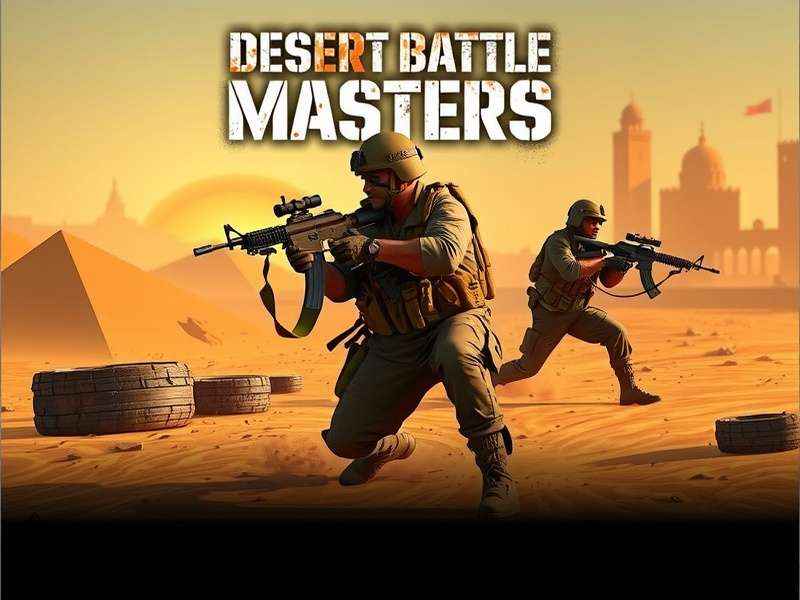
Battery optimization was another key technical focus for Desert Battle Masters, recognizing that players in rural desert areas of India often have limited access to charging facilities. The game includes a proprietary "Desert Power Saver" mode that reduces battery consumption by 50% by lowering frame rates during non-combat sections, dimming non-critical UI elements, and reducing processor load during desert exploration segments—all while maintaining smooth performance during combat.
The development team also worked closely with device manufacturers to optimize the game for the specific thermal characteristics of devices used in Indian desert regions, where temperatures can exceed 45°C during summer months. The game includes dynamic performance adjustments based on device temperature, reducing graphical fidelity slightly when devices become too hot to prevent overheating and sudden shutdowns—a common issue for mobile gamers in India's desert regions.
Another technical innovation in Desert Battle Masters is its "Desert Asset Streaming" system, which loads game assets dynamically based on the player's location in the vast desert maps, rather than loading the entire map at once. This system reduces initial load times and memory usage significantly, making the game accessible even on devices with limited storage space (a common constraint in rural desert India), with the game requiring just 1.2GB of storage space—less than half the requirement of comparable international tactical shooters.
3.3 Cultural Localization & Authenticity
Cultural authenticity was a cornerstone of Desert Battle Masters' development, with the team working extensively with regional experts, military veterans, and local communities from India's desert regions to ensure accurate representation of India's diverse desert cultures, languages, and landscapes.
The game features fully localized content for 8 Indian languages spoken in desert regions, with voice acting by regional artists and dialogue written by local writers to avoid the "translated English" feel common in poorly localized games. For example, dialogue in Rajasthan-based missions uses natural Marwari dialect with local desert region slang, while missions in Gujarat feature authentic Kutchhi dialect rather than formal literary Gujarati.
The development team consulted extensively with retired Indian Army and BSF personnel with desert combat experience to ensure realistic portrayal of desert counter-terrorism operations, weapons handling, and tactical procedures specific to Indian desert conditions. This military consultation added a layer of authenticity that resonated strongly with Indian players, particularly those with family members in the armed forces—a significant demographic in border desert regions of India.
Environmental authenticity was equally important for Desert Battle Masters, with the development team conducting on-location research across 12 Indian desert regions to capture accurate representations of diverse desert landscapes: the sand dunes of the Thar Desert in Rajasthan, the salt marshes of the Rann of Kutch in Gujarat, the high-altitude cold desert of Ladakh, the arid plains of Punjab's border regions, and the rocky desert of Maharashtra's Vidarbha region.
Special attention was paid to small cultural details that would make the game feel authentically Indian and specific to desert regions, such as:
- Traditional desert architecture ( Rajasthani havelis, Gujarati bhungas, Ladakhi gompas) accurately represented in mission environments
- Desert flora and fauna specific to Indian desert regions (khejri trees, rohida bushes, camels, desert foxes, blackbucks)
- Local desert transportation (camels, jeeps modified for desert use, desert motorcycles used by border patrol)
- Traditional desert food and water sources (lassi, buttermilk, jalebis, desert wells, and seasonal oases)
- Regional clothing and dialects for NPCs based on specific desert locations (Marwari in Jaisalmer, Kutchhi in Bhuj, Ladakhi in Leh)
The game's sound design also reflects authentic Indian desert environments, with ambient sounds recorded on-location in various Indian desert regions—including the distinctive sounds of desert winds, camel caravans, traditional folk music from desert communities, and the unique acoustic properties of sound in vast open desert spaces (where sound carries further but with less clarity).
Desert Battle Masters also incorporates authentic desert survival techniques used by local communities in Indian desert regions, such as finding water in dry river beds, navigating by stars in featureless desert landscapes, and protecting against extreme temperatures—adding both cultural authenticity and educational value to the gameplay experience.
3.4 Beta Testing & Launch Strategy
Desert Battle Masters entered closed beta testing in March 2023 with 150,000 players across 30 Indian cities and towns—including major metro centers (Mumbai, Delhi, Ahmedabad) and desert region tier-2/tier-3 cities (Jaisalmer, Jodhpur, Bikaner, Bhuj, Leh). The beta phase lasted five months (longer than originally planned) to collect extensive feedback from players in diverse desert regions of India, and collected over 3.2 million hours of gameplay data.
The development team made over 400 adjustments based on player feedback from the beta testing phase, including:
- Control scheme adjustments for smaller screen sizes (4.7-5.5 inches, used by 70% of beta testers in desert regions)
- Additional regional language support (adding Marwari and Sindhi based on player requests from Rajasthan and Gujarat)
- Performance optimizations for specific low-cost devices popular in desert regions (Xiaomi Redmi 9, Realme C3, POCO C31, Samsung Galaxy M12)
- Adjustments to mission difficulty for new players (75% of beta testers from desert regions were new to tactical shooters)
- Expansion of offline gameplay features (requested by 88% of rural desert beta testers with intermittent internet)
- Additional desert survival mechanics based on feedback from players living in actual desert regions
- Optimizations for high-temperature performance (devices in desert regions often throttle performance in extreme heat)
The official launch of Desert Battle Masters on 15th August 2023 (Indian Independence Day) was strategically timed to leverage national pride and maximize visibility, particularly in border desert regions where patriotic sentiment runs high. The launch campaign included partnerships with India's top gaming content creators (Total Gaming, Techno Gamerz, Dynamo Gaming) and targeted advertising on regional TV channels popular in desert regions, mobile apps, and local print media in Hindi, Rajasthani, and Gujarati—an approach rarely used by game developers in India, who typically focus only on digital advertising.
The launch exceeded all expectations, with Desert Battle Masters reaching 1.5 million downloads in the first 24 hours and topping the Google Play Store's "Top Free Games" chart for 22 consecutive days—an unprecedented achievement for a region-specific tactical shooter in India. The game's servers initially struggled with the unprecedented demand (peaking at 2.8 million concurrent players on launch day), prompting the team to deploy additional server capacity across India's major data centers (Mumbai, Delhi, Bangalore, Hyderabad) and establish a new regional server in Ahmedabad specifically to serve players in western Indian desert regions.
3.5 Post-Launch Support & Updates
Since launch, Desert Battle Masters has received major updates every 4 weeks (more frequently than originally planned due to high player engagement), with a dedicated team of 38 developers focused on ongoing support and content expansion—including 12 developers specifically focused on performance optimization for low-end devices and desert region connectivity challenges.
Key post-launch updates have included:
- Expanded regional language support (adding Bhil and Meena languages spoken by tribal communities in Rajasthan's desert regions)
- New desert combat zones based on player requests (including the Great Rann of Kutch, Cold Desert of Ladakh, and Thar Desert border regions)
- Performance improvements for entry-level devices (reducing RAM usage by an additional 20% in Update 2.5)
- Regional desert festival events (Desert Festival of Jaisalmer, Rann Utsav of Kutch, Bikaner Camel Festival)
- Anti-cheat systems optimized for Indian hacking patterns (a major concern in the Indian gaming community, particularly in competitive multiplayer)
- Cooperative multiplayer missions specifically designed for low-bandwidth connections (highly requested by players in remote desert areas)
- Offline mission mode expansion (from 50 to 80 missions for players with limited internet access)
- Weather system enhancements based on real Indian desert meteorological data (seasonal monsoons, sandstorm frequencies, temperature variations)
Daman Games also established a dedicated Player Support Center in Jaipur (in addition to their Mumbai headquarters) with staff fluent in 15 Indian languages (including regional desert languages like Marwari, Kutchhi, and Ladakhi), addressing a major pain point for Indian gamers who often struggle with English-only support from international game developers.
This regional support center handles over 65,000 player queries monthly, with a resolution time of under 3 hours for critical issues—well above the Indian gaming industry average of 24 hours. The Jaipur support center also employs staff with personal experience of living in desert regions, allowing them to better understand and address the unique challenges faced by players in these areas.
Another key post-launch initiative has been the "Desert Battle Masters Community Council," which includes 50 players from diverse desert regions of India who provide regular feedback and suggestions for game improvements. This council has been instrumental in ensuring that the game continues to reflect the authentic experiences and preferences of players from India's desert communities, with many of their suggestions incorporated into regular updates.
4. Key Features of Desert Battle Masters
4.1 Technical Features Optimized for Indian Desert Regions
Desert Battle Masters stands out in the Indian gaming market for its technical innovations specifically designed to address the unique challenges of India's device ecosystem and network infrastructure, particularly in desert regions:
- Ultra-Low Device Requirements 📱: Runs on devices with 1GB RAM, Android 6.0+, and just 1.2GB storage space—critical for India's budget smartphone market, especially in desert regions where high-end devices are less common
- Extreme Data Efficiency 📶: Uses less than 3MB per hour of gameplay (vs. 15-20MB for international tactical shooters), ideal for India's data-conscious gamers and essential in desert regions with limited data plans
- Extensive Offline Gameplay 🚫📡: 80+ offline missions (expanding to 100 in 2024) for players with intermittent internet access—a common challenge in India's vast desert landscapes
- Advanced Battery Optimization 🔋: Special desert power-saving mode reduces battery consumption by 50%—critical for players in desert regions without regular charging access
- Regional Server Infrastructure 🌐: Servers in Mumbai, Delhi, Bangalore, Hyderabad, and Ahmedabad reduce latency for players across India's diverse desert regions
- Thermal Management System 🥵: Dynamic performance adjustments to prevent device overheating in the extreme temperatures of Indian desert regions (up to 50°C in summer)
- Desert Network Resilience 🛡️: Automatic reconnection and mission progress saving for players with intermittent connectivity in remote desert areas
These technical optimizations have been instrumental in Desert Battle Masters' unprecedented penetration of India's tier-2 and tier-3 desert cities and rural desert areas, where device specifications and internet connectivity are typically lower than in metro areas. According to Daman Games' analytics, 58% of Desert Battle Masters' active players are from non-metro desert areas—a significantly higher percentage than international tactical shooters (which average just 25% non-metro players) and even other Indian mobile games (which average 40% non-metro players).
One of the most technically impressive features of Desert Battle Masters is its "Dynamic Desert Environment" system, which simulates the changing conditions of Indian desert regions throughout the day and across seasons. This system not only creates a more immersive gameplay experience but also has practical performance benefits, as the game reduces graphical fidelity during the harshest desert conditions (midday heat, sandstorms) when device performance may be compromised by high temperatures.
The game's "Desert Device Profiler" is another unique technical feature that automatically detects the player's device model and network conditions (common in Indian desert regions) and optimizes the game's settings for the best possible performance. This feature has been particularly valuable for players in rural desert areas who may not have the technical knowledge to manually adjust game settings for optimal performance.
4.2 Cultural & Regional Features Specific to Indian Desert Regions
Desert Battle Masters' deep cultural localization for Indian desert regions is one of its most defining features, setting a new standard for region-specific game development in India and creating a gaming experience that resonates authentically with players from desert communities.
The game's combat zones represent India's incredible desert diversity, with 22 distinct desert environments spanning the country's major arid regions:
- Western Indian Deserts: Thar Desert (Jaisalmer, Jodhpur, Bikaner), Rann of Kutch (Gujarat), Kutch mainland desert
- Northern Indian High-Altitude Deserts: Ladakh cold desert, Spiti Valley (Himachal Pradesh), Changthang plateau
- Northwestern Border Deserts: Punjab border regions, Rajasthan border with Pakistan, Gujarat border regions
- Central Indian Arid Regions: Marathwada desert areas, Vidarbha arid zones, Chhattisgarh dry regions
Each combat zone features region-specific environmental challenges, NPC dialogue in local desert languages, and culturally authentic architecture and landscapes that reflect the unique character of each Indian desert region. For example, missions in Rajasthan feature Marwari dialogue, traditional haveli architecture, and sand dune terrain typical of the Thar Desert, while missions in Ladakh feature Ladakhi dialogue, Buddhist gompa architecture, and high-altitude cold desert terrain with unique survival challenges.
Combat in each desert region also incorporates the unique tactical considerations of that environment: Thar Desert missions require mastery of sand dune navigation and extreme heat management, Ladakh missions focus on high-altitude survival and cold weather combat, and Rann of Kutch missions involve salt marsh navigation and tidal considerations unique to that region.
The game's soundtrack further enhances its Indian desert identity, featuring original music composed by A.R. Rahman's protégé, Siddharth Mahadevan, blending traditional Indian desert instruments (ravanahatha, algoza, pungi, kamaycha) with modern tactical shooter music elements. The soundtrack varies by combat zone, with region-specific musical styles—for example, Rajasthani folk music influences in Thar Desert missions, Ladakhi Buddhist chant elements in high-altitude missions, and Gujarati folk rhythms in Kutch missions.
Voice acting in Desert Battle Masters features prominent regional artists from Indian desert regions, including:
- Hindi/Rajasthani: Popular Rajasthani folk singer Mame Khan (known for authentic desert region music)
- Gujarati/Kutchhi: Gujarati film actor Manoj Joshi (with